I’ll be honest: when Intel pushed out the 32.0.101.5971 non-WHQL Game On driver, I filed it under “nice support drop, probably forgotten in a month.” In 2026, looking back, that release feels like a snapshot of Arc’s awkward-but-charming growing-up phase. Team Blue was still convincing PC gamers that its GPUs deserved a spot in their rigs, and this driver showed up to the party with game-ready support for Black Myth: Wukong, Hunt: Showdown 1896, and World of Warcraft: The War Within. It was a beta-flavored, non-WHQL package, sure, but it had real purpose: get Arc players into new titles with fewer rough edges.
Now, let’s set the clock straight. This is not the driver I’d tell you to install today. In 2026, Intel has shipped plenty of newer Arc software, and 5971 belongs in the “historical curiosity” folder. But as a case study in how Intel was chasing game launches, it’s still interesting. The release arrived as a non-WHQL Game On driver, which means it was aimed at gamers first and certification paperwork second. Intel called it a beta driver in the conversation around the launch, and honestly, that label made sense. Arc was still finding its feet, and the software team was sprinting to keep up with major releases.
🎮 Why this driver mattered
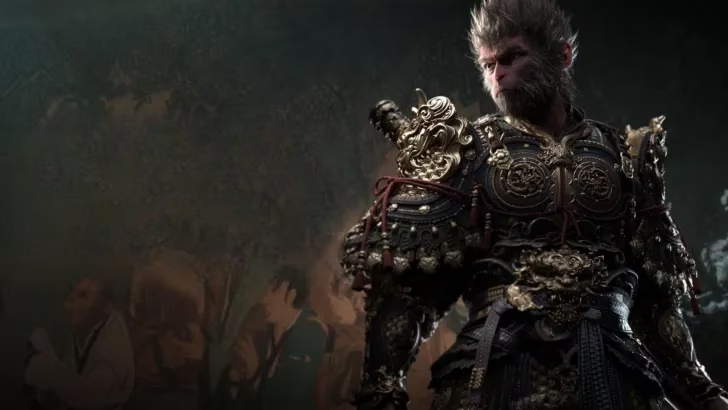
The headline was Black Myth: Wukong. The game was a heavy showcase title, the kind of action RPG that makes GPU vendors sweat over shader compilation, frame pacing, and driver overhead. Intel adding support through a Game On driver was no small thing. It told Arc owners they could jump into the monkey king’s adventure without feeling like second-class citizens. Intel also pointed players toward the standalone Black Myth: Wukong PC benchmark tool, which was a smart move. If you didn’t own the game yet, you could still see how your Arc card handled the opening scenes before spending money.
Hunt: Showdown 1896 and World of Warcraft: The War Within rounded out the lineup. One is a tense, muddy extraction shooter; the other is a massive MMO expansion with a habit of stressing CPUs and GPUs in very different ways. Putting all three in the same driver drop showed that Intel wasn’t only chasing one shiny blockbuster. It was trying to cover live-service games, MMOs, and single-player showpieces at the same time.
🛠️ The fixes were small but useful
I always appreciate patch notes that admit real problems instead of pretending everything is perfect. The 5971 driver fixed a couple of specific headaches for Arc A-Series owners:
| Area | Fix |
|---|---|
| Delta Force: Hawk Ops Alpha Playtest (DX12) | Reduced application instability during gameplay |
| Shadow of the Tomb Raider (DX11) | Addressed foliage corruption during gameplay |
Neither fix is glamorous, but that’s driver work in a nutshell. You don’t always get a headline feature. Sometimes you get a bush that stops looking like a glitched painting. For players in those games, that’s plenty.
⚠️ Known issues: the honest part
The known-issues list was where the beta feeling really showed up. On Intel Arc A-Series graphics, Doom Eternal (VK) could show intermittent flickering corruption in the menu and during gameplay. Blender could crash while rendering certain benchmark scenes, and Topaz Video AI could throw errors when exporting videos after using some enhancement models. Those aren’t tiny problems if you use your GPU for creative work, but at least Intel listed them clearly.
For Intel Core Ultra chips with built-in Arc GPUs, the list was longer. Uncharted: Legacy of Thieves Collection (DX12) could crash while loading into gameplay. Enshrouded (VK) could crash during play. Diablo IV (DX12) could crash with ray tracing enabled. Fortnite (DX12) could crash during Alt + Tab operations, which is the kind of thing that makes you stare at your monitor like it insulted your family. SPECworkstation3.1 could show system instability, CATIA text might not appear in the quality toolbar with HQAO settings, and Procyon AI could crash while running a benchmark with float32 precision.
That’s a lot of caveats, and I won’t pretend otherwise. If you were using your Core Ultra laptop for professional apps, 5971 was not a “set it and forget it” update. It was a gaming-first release with a side of “please read the fine print.”
🧪 My 2026 takeaway
Here’s the thing: I like looking back at drivers like this because they show the messy middle of a platform’s life. Arc wasn’t born with perfect software, and Intel didn’t fix everything overnight. The 5971 driver was a practical move: support the hot new game, patch a few ugly bugs, and be honest about what still needed work. That’s not glamorous, but it’s how a GPU ecosystem earns trust.
If you’re running an Arc card in 2026, please don’t hunt down this exact driver for daily use. Grab the current software through Intel’s official channels and let the newer fixes do their job. But if you’re curious about how Team Blue handled the Black Myth: Wukong launch window, 5971 is a neat little chapter. It’s the sound of a driver rolling up its sleeves and saying, “All right, let’s get to work.”